After harvest, the way you handle your vegetables affects their freshness and how much your community trusts your farm. By sorting, packing, delivering, and keeping in touch with your subscribers or buyers, you make sure your food arrives in the best condition—and that families keep coming back for more. Here is how you can do it
01. How Do You Sort and Prepare Your Vegetables?
Once you’ve harvested your crops, the next important step is to sort, weigh, and prepare them carefully—especially if they’re going to the market or subscribers.
Here’s what you can do:
- Sort the produce: Group by type and size (small, medium, large). Remove damaged or overripe items — use these for compost or liquid manure.
- Weigh: Weigh each crop type using a scale.
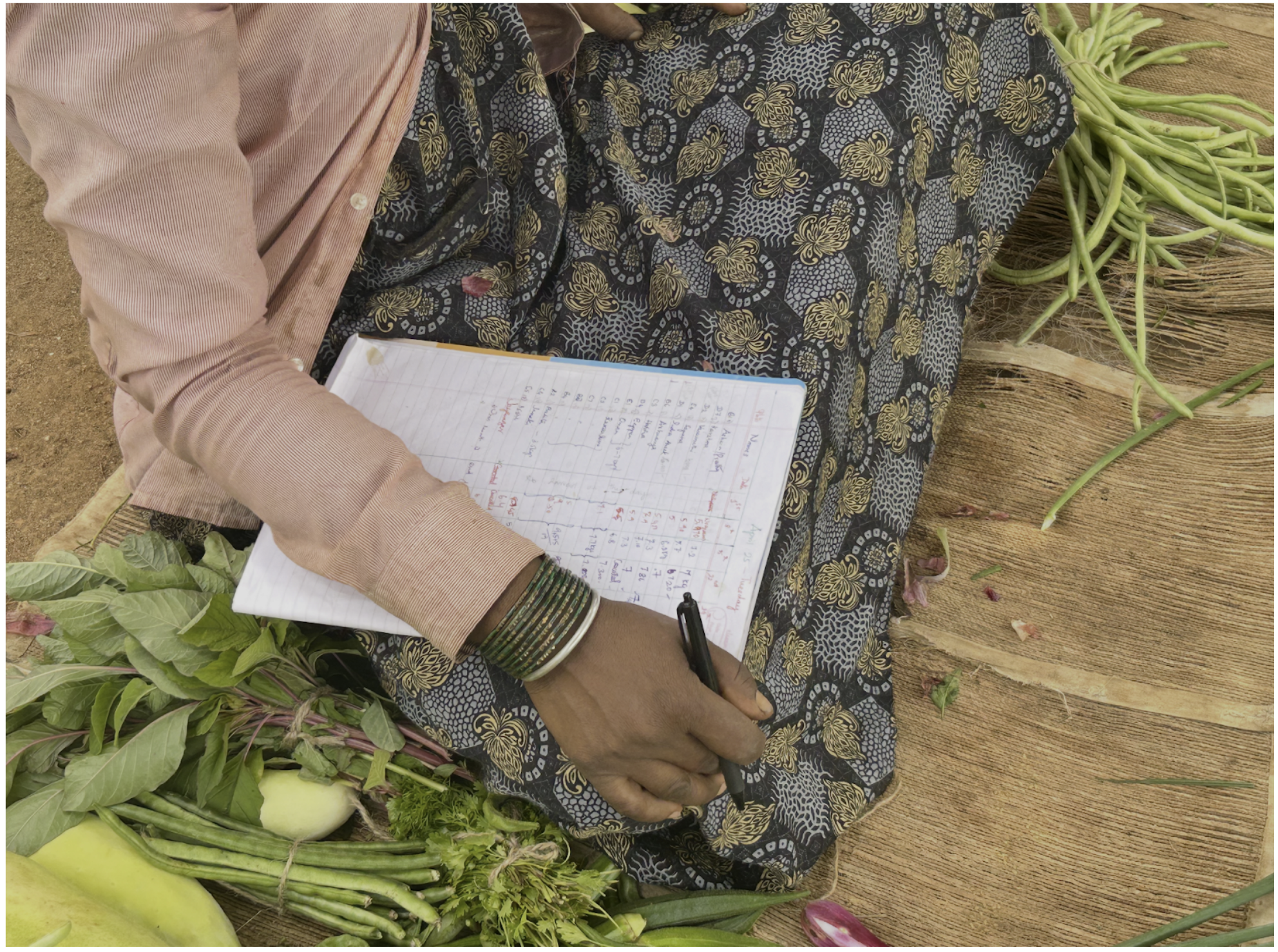
- Record: Note down the date, crop name, weight, and where it’s going (market, home, subscription).
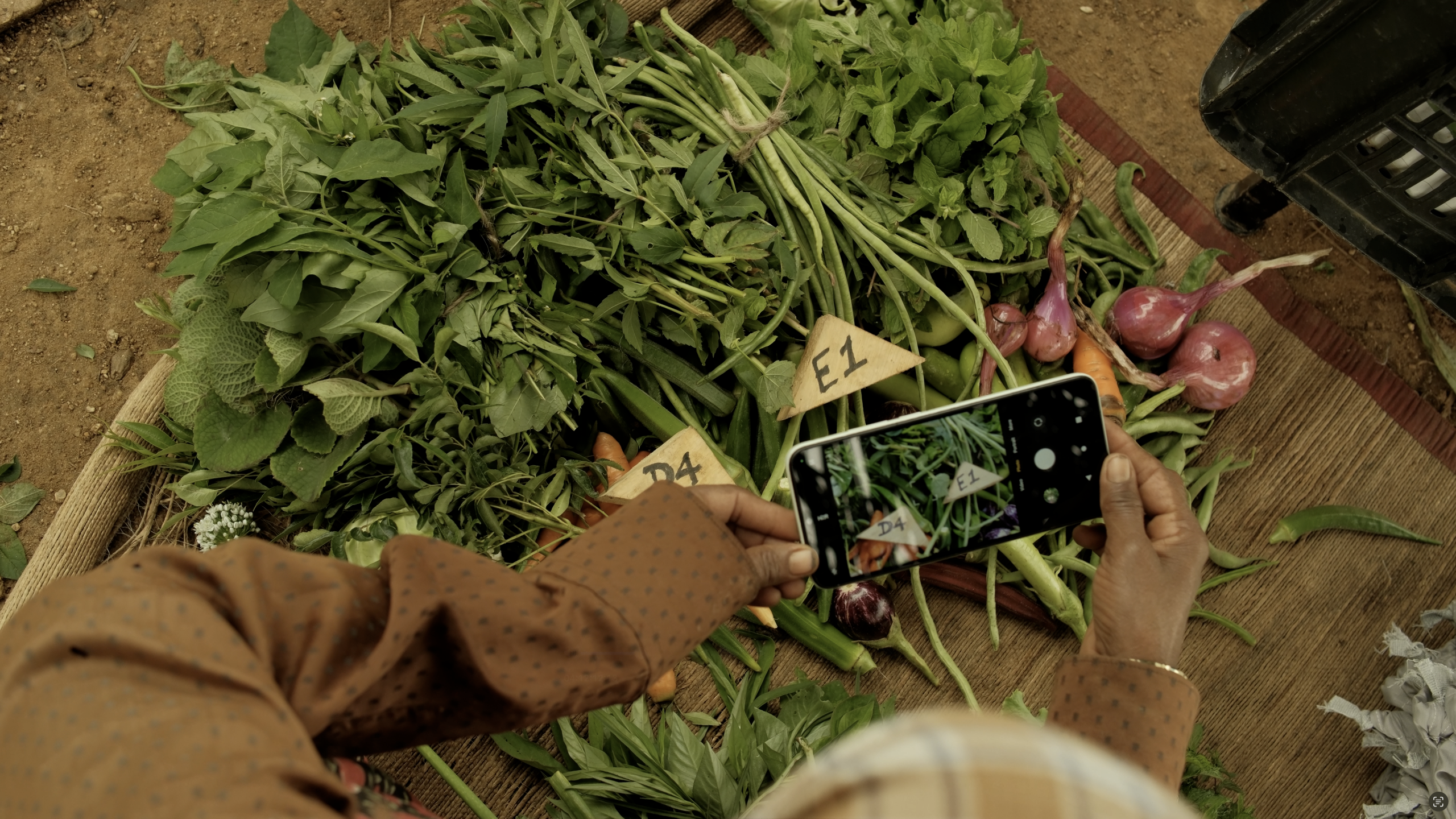
- Label and Pack: Pack vegetables in clean, dry bags or crates — avoid crushing or mixing soft and hard vegetables. Add labels to them to avoid confusion especially if sending to multiple buyers.
- Take photos of the produce to share with consumers and to keep a record for yourself.
📹 Watch this video to see how we harvest
02. How do you deliver vegetables to CSA subscribers?
You could consider the following delivery options for your CSA:
- Home Delivery – Convenient for subscribers, but needs time and transport planning
- Pickup Points – Vegetables are dropped at a common location (e.g. schools, Anganwadis, bus stop) and collected by subscribers. This is simpler and saves effort.
Why does communication matter as much as delivery?
Selling vegetables is not the end of the work. In Kai Thota, what makes the model special is the relationship between the farm and the people who eat the food. That relationship grows stronger when there is regular, simple communication.
Subscribers want to know where their food is coming from and that the farmers growing them are well compensated for their time and efforts. When you share small updates, stories from the farm, or even cooking tips, they feel part of your journey—not just like buyers. Good communication builds trust, care, and community—and helps your farm grow stronger.
03. What Are Some Simple Ways to Stay Connected With Your Customers?
You don’t need fancy tools or constant updates. Just pick a few simple practices and stick with them.
| What You Can Do | How Often | Tools You Can Use |
|---|---|---|
| Send a short message or photo from the farm | Once a week or month | WhatsApp or SMS |
| Share local recipes or cooking tips | When a veggie repeats | Word of mouth, WhatsApp |
| Give updates on weather achievements, or harvest | As needed | WhatsApp, during pickup, or visits |
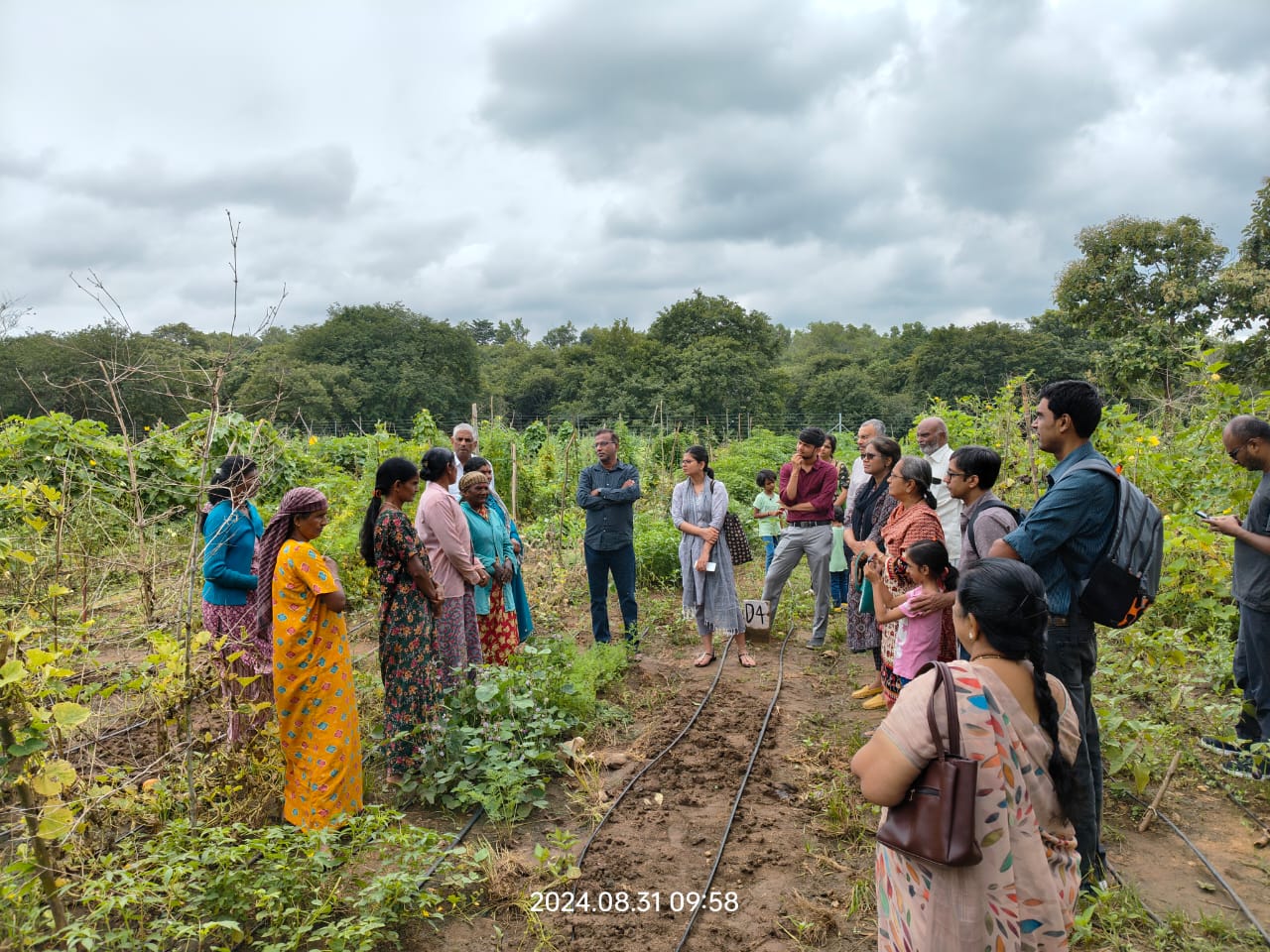
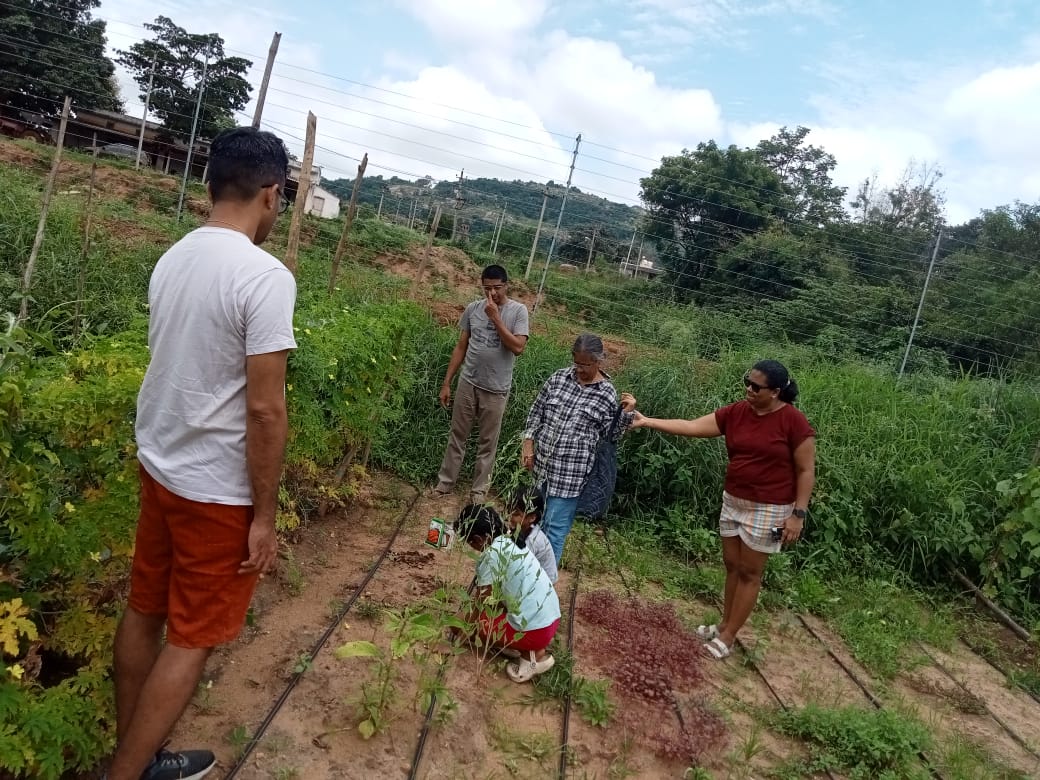
| Invite subscribers to visit the farm and share a simple meal with them | Often or As needed | WhatsApp or SMS |
| Thank your subscribers | During festivals or good harvests | Handwritten note, extra veggie |
| 💡 Tip |
| If the same vegetable is going out every week, add a line like: “This keerai was grown from seeds we saved ourselves!” or “Try it with coconut—it’s tasty!” |
Resources
Videos
Trackers and Templates
Examples for Communication
- Sharing Success and Milestones-
| Good Morning to our Kai Thota Community! We (Bhagya, Chandramma, and myself) are at the 2nd National Women Farmers’ Convention in Pune. It’s a proud and joyful moment to be here with so many women farmers. Together, we are the future of agriculture—caring for the Earth and standing strong for our rights. A big thank you to all of you for your constant support and encouragement through every challenge we face. 🙏 And some happy news—Bhagya and Chandramma took their very first train journey to get here! 😀🚂 It has been a truly exciting experience. |
- Engagement With Consumers-
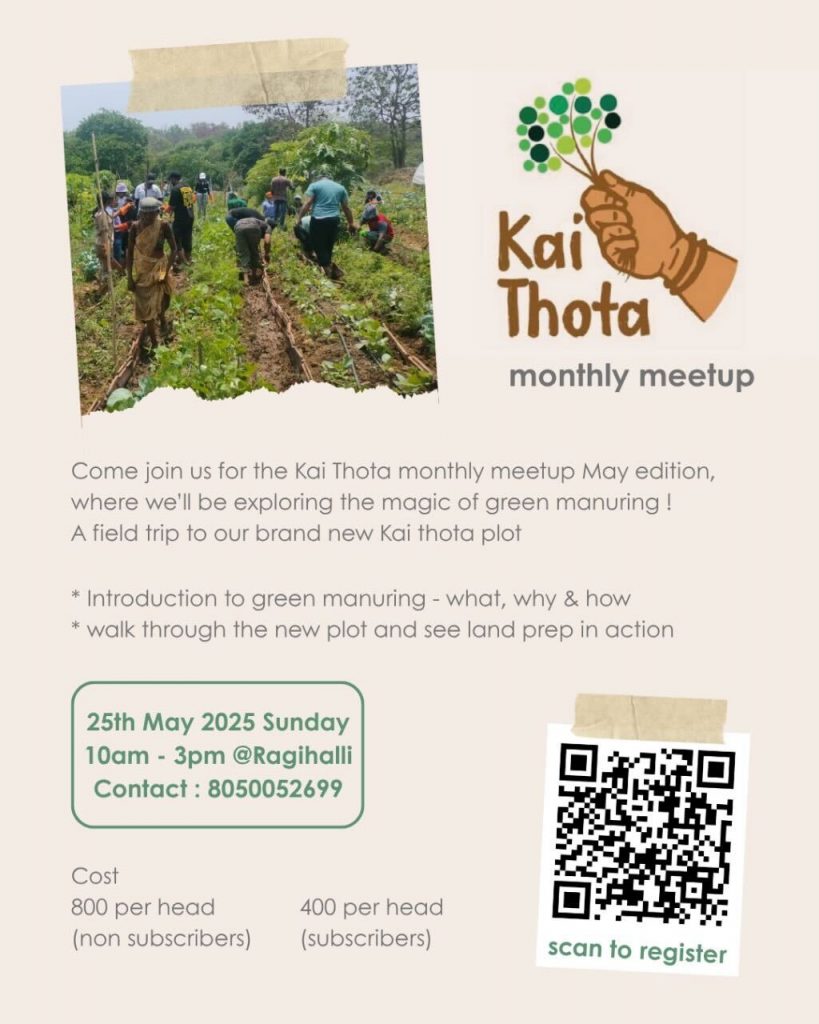

Most of you who’ve visited us know that Ragihalli is one of the 16 villages in the Ecologically Sensitive Zone (ESZ) around Bannerghatta National Park. Our work here goes beyond just agriculture and conservation—this buffer space is crucial for the health of Bangalore. Just like urbanisation swallowed the Turahalli forest, our ESZ faces the same threat.
A big part of our community work is to engage people living in the ESZ in deeper, everyday conversations about the risks of the dominant development model to them and their unique space.This second Kai Thota is coming up in Ramanayakana Doddi, a Lambani settlement. The Lambanis are a semi-nomadic tribe—not traditionally farmers—but over the last 3–4 decades of settling here, they’ve started learning bits of agriculture from their Vokkaliga neighbours. Even now, much of the land lies fallow.
We’ve worked with the Ramanayakana Doddi community earlier—documenting their cultural practices and making jewellery with naturally dyed silk cocoons. Green manuring is just the beginning of our longer journey with them.Do spread the word about this meetup—it would be great to have more Bangaloreans understand the ESZ and the people who live in it. 😀