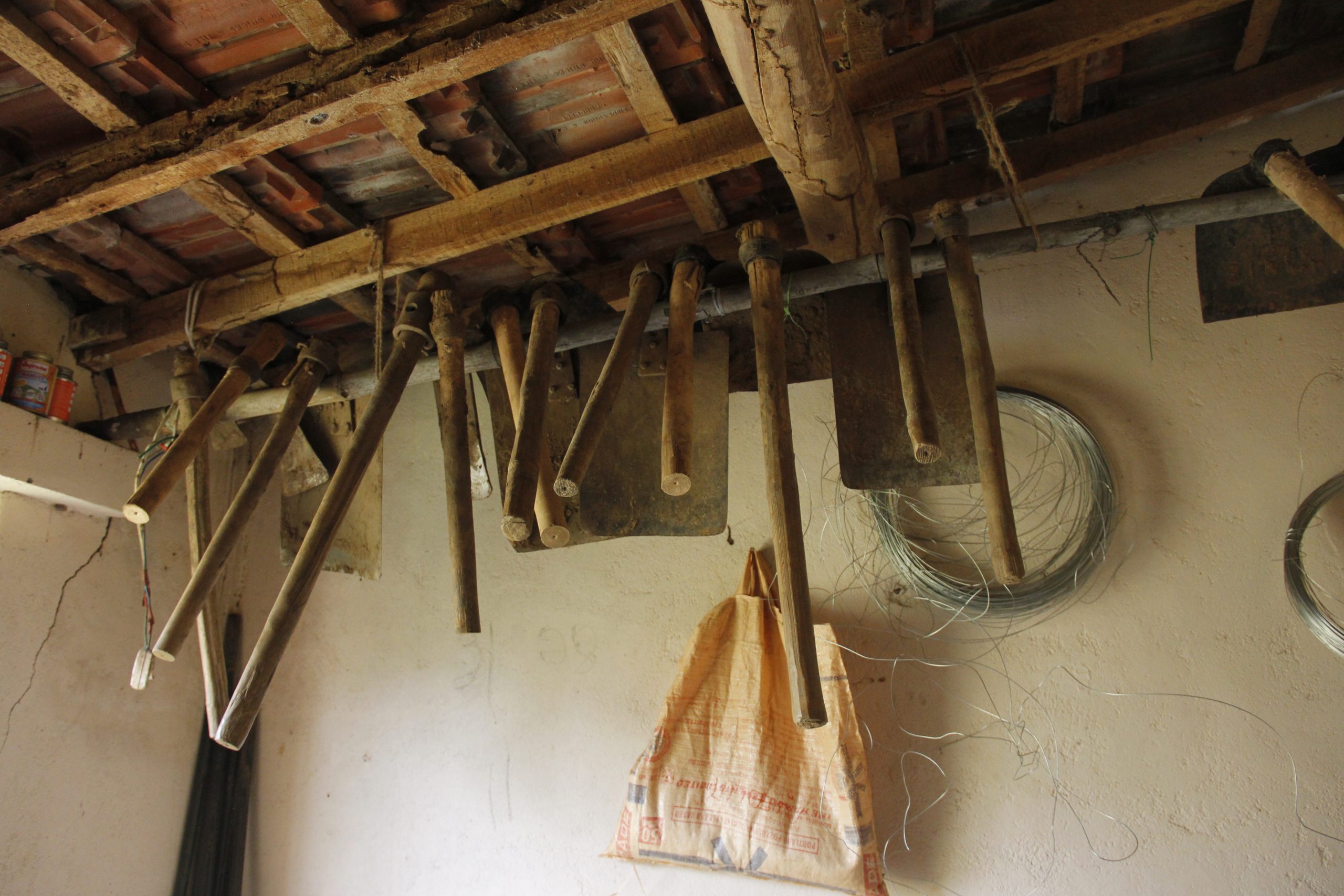
Farming is no easy job. But understanding your land and using the right—yet
simple—tools can make daily chores easier. A well-built fence keeps your field safe, and giving your crops just the right amount of water with the right method helps you get the most from your work and resources. When you get these basics down, you work smarter, save time and money, and give your plants the best chance to thrive.
01. How to Choose the Right Tools?
Choosing and getting the right tools really depends on your soil, the size of your farm, and what feels easy for you to do.
If your soil is soft and healthy, you can use lighter tools and they can make jobs like digging and weeding much easier. Hard or packed soil needs tools strong enough to break it. Once you understand your soil, it’s easier to pick the right tools.
Preferably choose tools that are locally made or available to ensure easy maintenance and regular service. Doing this will save you time and effort as well as help your plants grow well!
📹 You can learn about different types of tools through this video
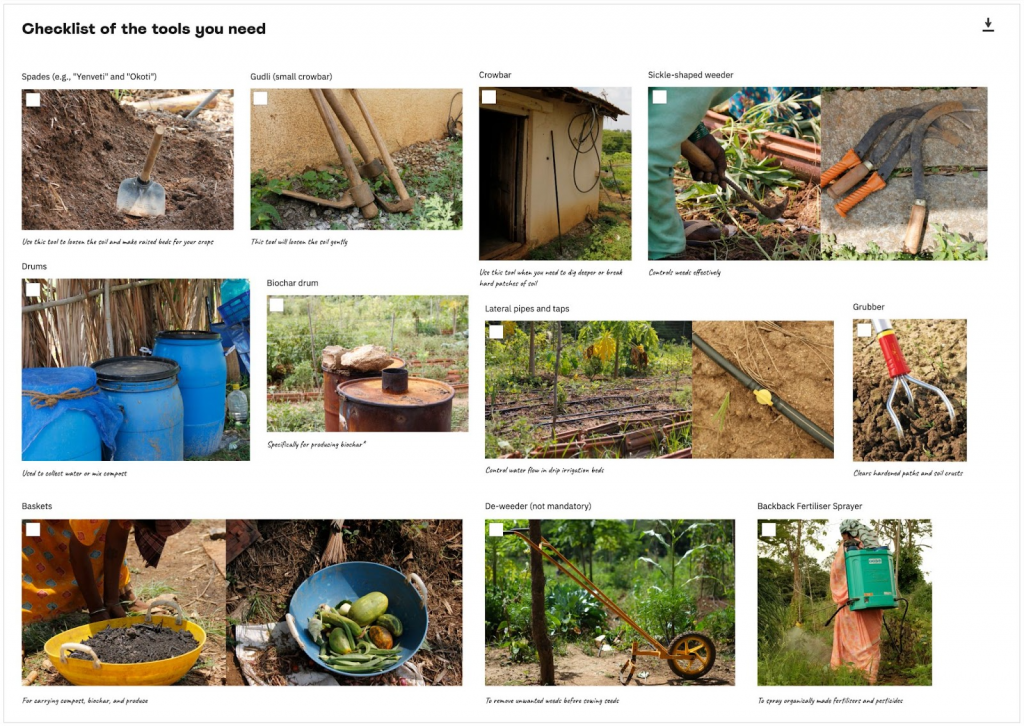
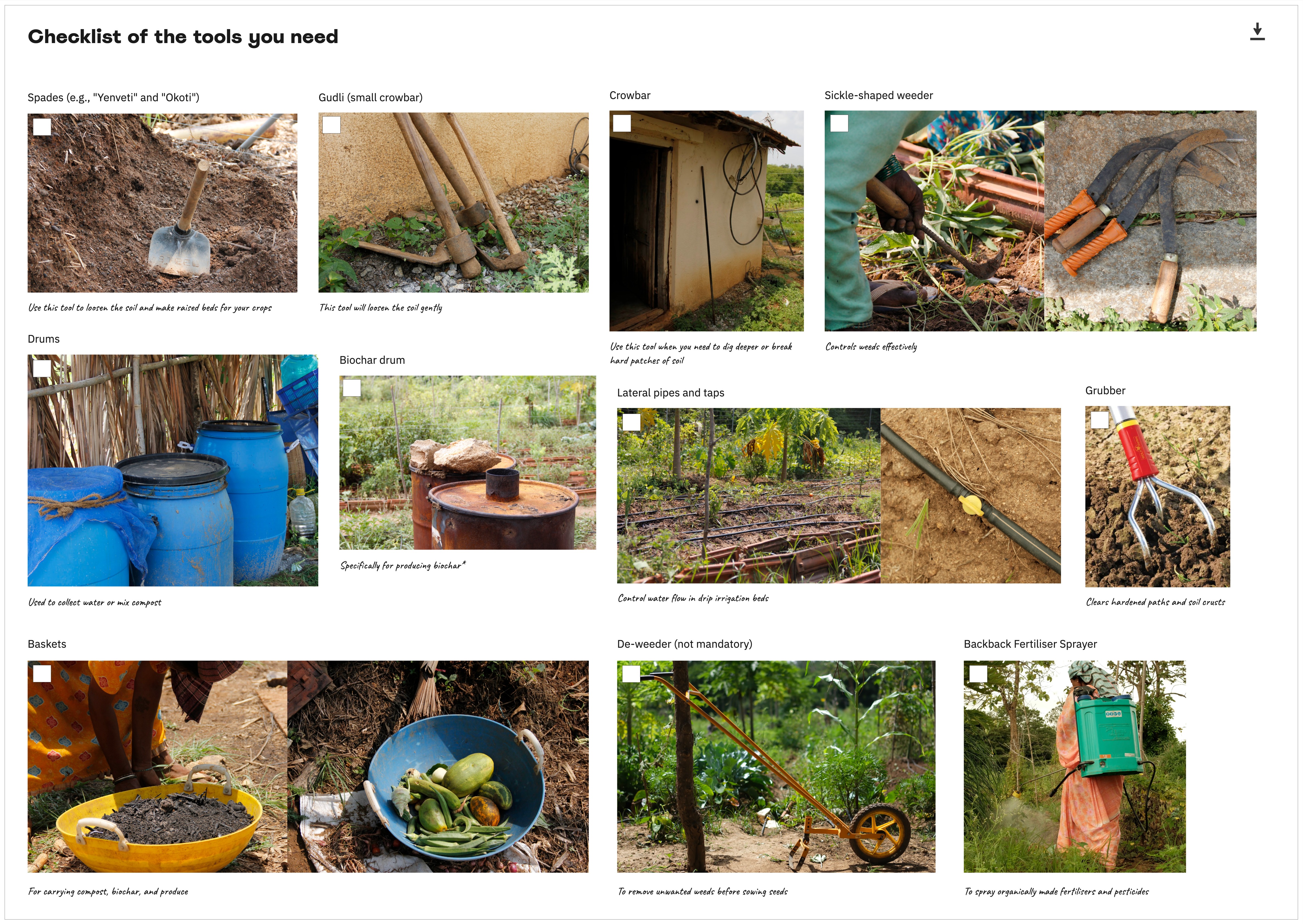
Use this checklist to build your tool shed:
| 💡 Tip: |
| Maintaining your tools and storing them the right way is very important. Here are some quick ways in which you can do so- 1. Clean your tools after every use. If they remain muddy, they will start to rust. 2. Regularly sharpen your cutting tools like sickles. 3. Check the handles of the tools for cracks or damage 4. Check irrigation pipes and taps often for leaks or blockages. 5. Keep your tools in a dry, covered room. 6. Oil your tools regularly so they don’t break easily |
02. How Can You Set Up Fences?
📹You can learn about fencing by watching this video
Keeping your farm safe starts with a good fence. It helps protect your land from animals and also shows others where your farm begins and ends. It also protects your crops from theft. The kind of fence you choose depends on where you are and what your farm needs-
Here are some ideas to start setting up your fences:
- Solar Fencing
This is a strong fence that uses a small electric current to keep animals out. It’s really helpful if your farm is close to a forest and animals wander into your farm. It may be costly, but it is effective and very easy to use.

“Our farm is protected by a solar fence. We live in an area where we have a lot of wild animals, so when we switch on the fence, it becomes electrified. It does not harm the animals, but it is enough to keep them away.”
______
Lakshmi
- Live Fencing
This is made by planting local thorny bushes, like Karamul and Agave around your farm. It’s cheap, good for the land, and can give you fiber or firewood. Over time these can be used again in your farm as support systems for plants or to improve your soil. will prevent animals from entering your farm, but they need some care and upkeep over time.
You can protect your farm using other materials like wire, nets, stone, wood, and other resources that are more available to you!
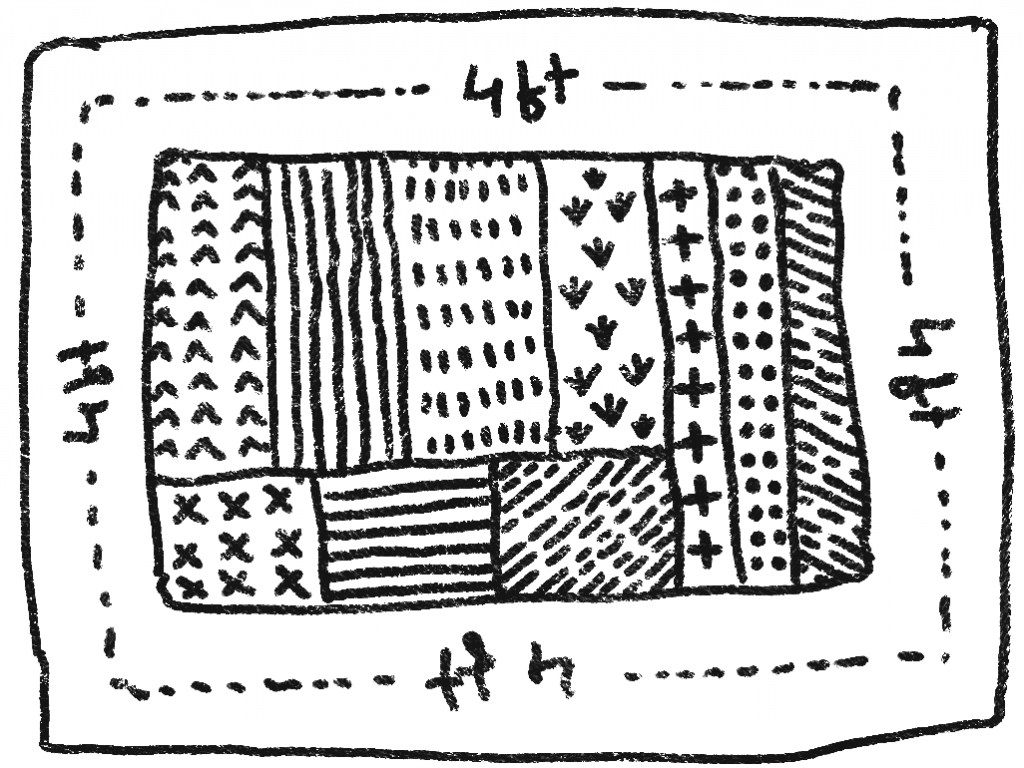
No matter what fence you choose, it’s good to leave at least 4 feet of space between your crops and the fence. This gives you a path to walk around and enough space for plant root systems to grow.
03. How Can You Manage Water Supply?
Water management is one of the most important parts of farming. Knowing how to give just the right amount—at the right time—can help your crops grow better and save you from problems like flooding or dry soil.
There are two ways you can get water into your farm
- Flood irrigation method
This method is used when there’s plenty of water around you. Water from nearby sources like a pond or a borewell can be brought in using cans or buckets. It is then poured into channels made along the crop beds. From there, the water spreads and slowly reaches the roots from the sides. This method works best on flat land. However, it can waste water and sometimes cause problems like flooding, waterlogging in the soil or loss of nutrients.

- Pot Irrigation
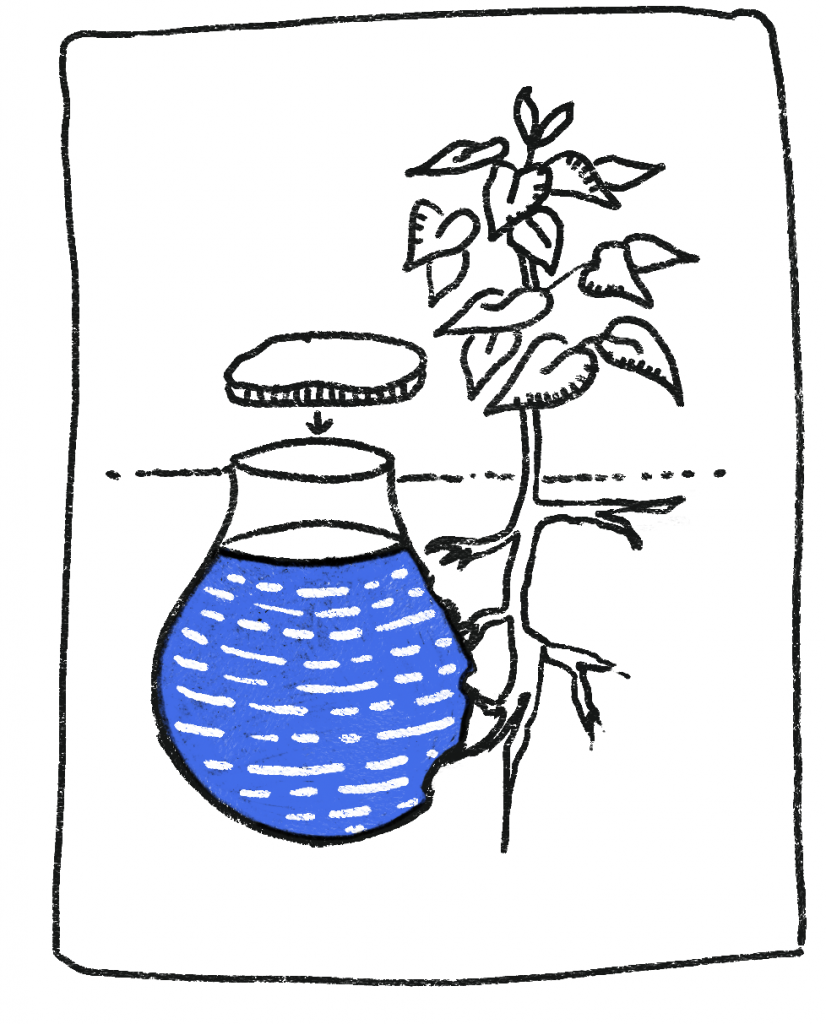
Pot irrigation (also called pitcher or olla irrigation) is an old and smart way to give water to plants. A clay pot with tiny holes is buried in the soil near the plant. When the pot is filled with water, it slowly releases water into the soil, right where the roots need it. This method saves water, reduces waste, and keeps the soil moist for a long time. It works very well in dry areas where water is limited, and is particularly great for small gardens or kitchen plots.
- Sprinkler Systems
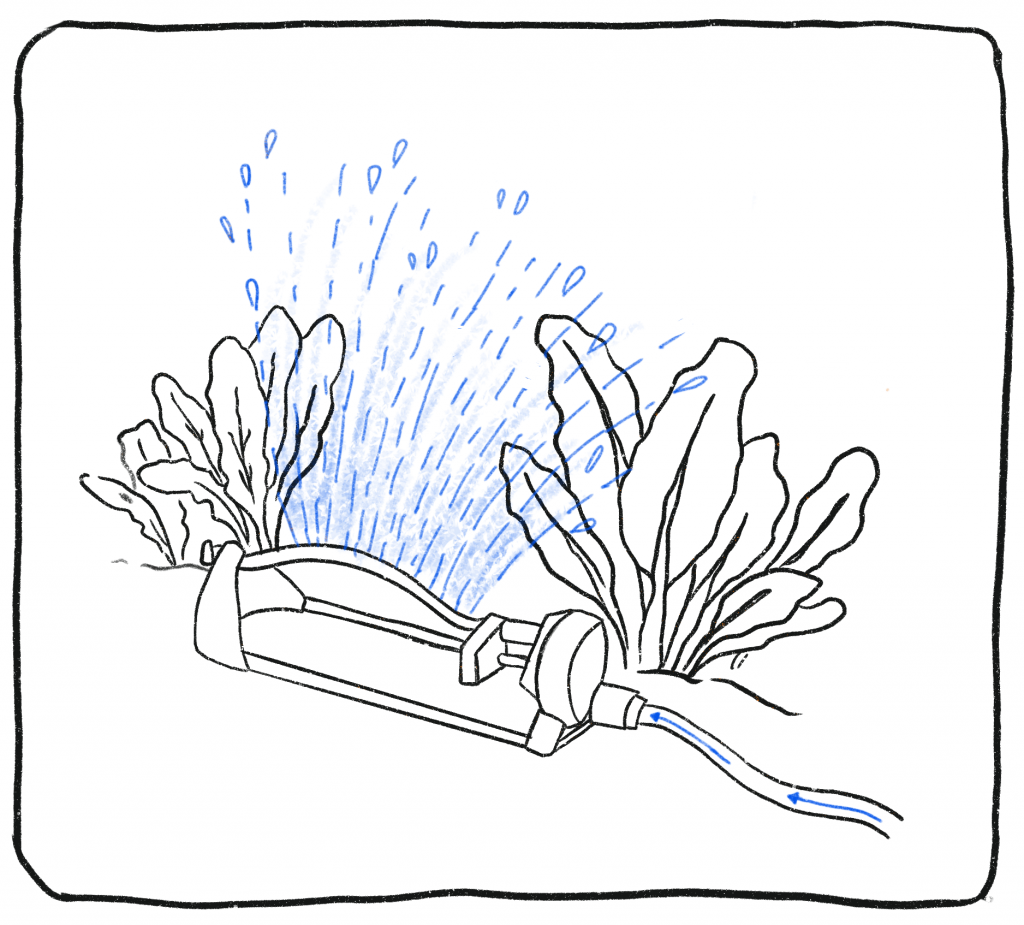
Sprinkler systems work like artificial rain. Water comes through pipes and is sprayed into the air through rotating or fixed heads, falling gently on the crops. This method is good for plants that grow close together, like leafy vegetables. It saves time and covers a large area quickly. But it works best when there is no strong wind, so the water doesn’t blow away.
- Drip Irrigation:
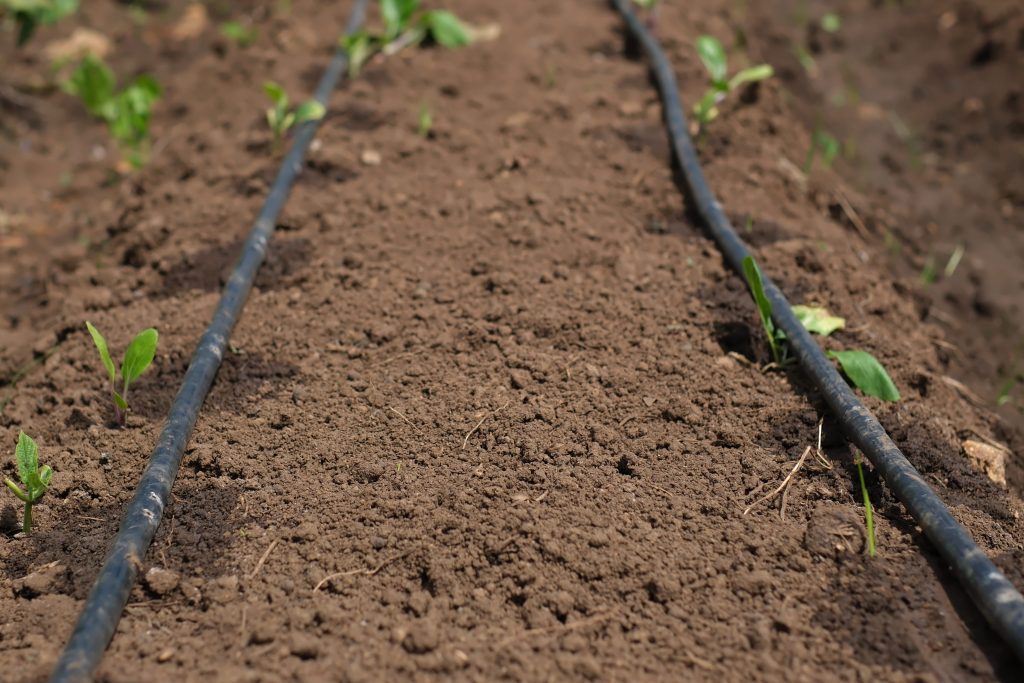
Drip systems use small pipes that run along the beds, with taps to control how much water each bed gets. Each pipe comes from some kind of water source like a tank or borewell with a pump nearby. This is a better and more careful way to give water to plants. It sends the correct amount of water straight to the roots, ensuring the management of soil moisture. Farmers say plants don’t need too much water, just steady moisture.

- Using this method saves water, makes sure your farm does not flood, and helps the roots grow deep and strong, especially when plants are flowering or making fruit. This method is a little more costly but is preferable because you will not suffer damages because of extra water, flooding, etc.
| 💡 Tip |
| Regular maintenance of drip lines and valves, including cleaning them with a microbial wash, is also important and should be part of the irrigation routine. |

“You can put liquid fertilizer into the pipes as well, so plants get food while they drink!”
____
Shivamma
Both flood and drip systems are in use at Kai Thota, and you can choose either, depending on where your farm is located and the availability of water. Other systems like sprinkler/pot irrigation may be opted based on access and use.
Choosing the right tools, fences, and water systems may seem small, but these decisions save time, reduce effort, protect your crops, and make your farm more productive. With the right setup, your soil, plants, and harvests will all thrive.